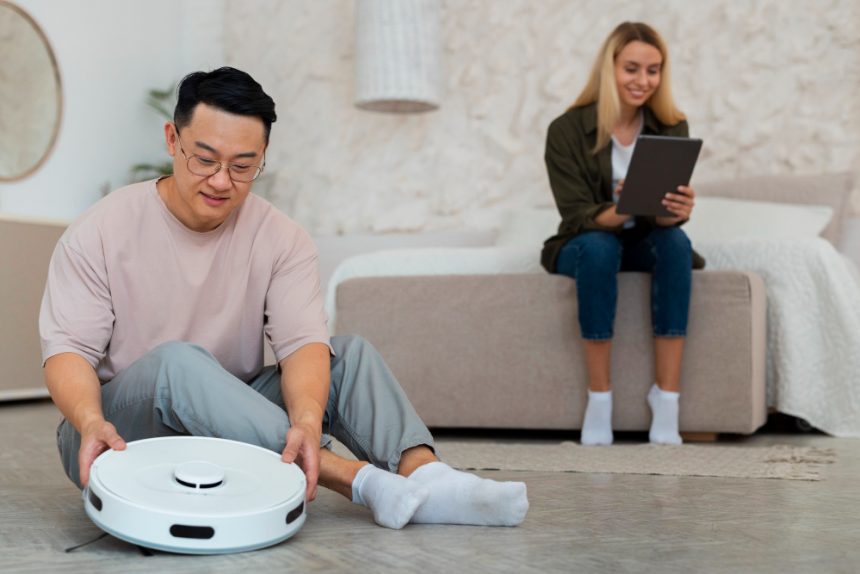
The world of robotics is no longer confined to factories, laboratories, or sci-fi fantasies. In 2025, home robots are becoming an increasingly common presence in everyday life. Once considered luxury gadgets or experimental novelties, they are now practical devices capable of performing a growing range of household tasks. From cleaning and organizing to cooking assistance and elder care, these robots are quietly reshaping the way people manage their homes.
This boom is driven by advances in artificial intelligence, improved sensors, affordable hardware, and cloud-based learning systems. Home robots are not only becoming smarter but also more adaptable, safer, and easier to integrate into daily routines. As a result, millions of households are discovering that robots can save time, reduce stress, and even improve quality of life in ways that were previously unimaginable.
The Rise of Intelligent Cleaning Robots
The most visible category of home robots is cleaning. Vacuum robots have been on the market for years, but the newest models go far beyond simple floor cleaning. Advanced devices can now map entire homes in 3D, detect dirt, and schedule cleaning around human activity. They also distinguish between floor types and obstacles, adjusting suction, brushing, or mopping strategies accordingly. Some models combine vacuuming with wet mopping, while others feature self-emptying dustbins and remote monitoring via smartphone apps. This automation allows homeowners to maintain clean floors without lifting a finger, freeing time for work, family, or leisure.
Robots for Kitchen Assistance
Kitchen tasks, often considered time-consuming and repetitive, are increasingly handled by robotic systems. High-end models can assist with chopping, mixing, and even cooking entire meals according to pre-programmed recipes. Smart kitchen robots integrate with apps to track ingredients, suggest meals based on dietary preferences, and automatically adjust portions. While full robot chefs capable of preparing gourmet meals autonomously are still emerging, hybrid systems that assist humans are becoming widespread, particularly for busy households and those seeking to maintain healthy eating habits with minimal effort.
Elder Care and Health Monitoring
Home robots are also transforming elder care. Robots equipped with sensors and cameras can monitor vital signs, remind residents to take medication, detect falls, and alert caregivers in real time. These devices offer a form of companionship while ensuring safety, particularly for elderly individuals living alone. AI-powered robots can also engage in simple conversation, encourage mental exercises, and guide users through light physical activity. By combining care, monitoring, and social interaction, these robots reduce the burden on family members and caregivers, creating a safer and more supportive home environment.
Robotic Organization and Assistance
Beyond cleaning and cooking, home robots are increasingly involved in household organization. Some models can sort laundry, fold clothes, or even deliver items from one room to another. Robots integrated with voice assistants can manage schedules, control smart home devices, or handle reminders, essentially functioning as personalized household managers. These devices not only save time but also help maintain order, reducing the stress associated with everyday chores and multitasking.
How Artificial Intelligence Drives the Boom
The key to the rapid expansion of home robots is artificial intelligence. Modern robots rely on AI algorithms to learn patterns, recognize objects, navigate spaces, and adapt to human behavior. Unlike early robotic devices that followed preprogrammed paths, today’s models learn dynamically. They can detect pets, avoid fragile objects, and optimize routines based on past interactions. Some even connect to cloud networks, sharing data to improve performance across all devices of the same model. This continuous learning makes home robots more reliable, intuitive, and useful in real-world households.
Affordability and Accessibility
One reason the home robot market is booming in 2025 is accessibility. Improved production methods, economies of scale, and competition among manufacturers have made robots more affordable than ever. Entry-level cleaning robots are within reach of most households, while mid-range kitchen and assistant robots offer professional-grade features at reasonable prices. Subscription models and financing plans further reduce barriers to entry, allowing more people to integrate robotics into daily life. This democratization is fueling widespread adoption and encouraging innovation in diverse home applications.
The Future of Home Robots
Experts predict that home robots will continue to expand their capabilities. We are approaching an era where autonomous systems may handle complex multitasking, integrate seamlessly with other smart devices, and even anticipate household needs before users ask. Future developments include robots capable of maintaining gardens, assisting with childcare, or performing light repairs. As AI, sensors, and mobility technologies improve, robots will shift from being tools to becoming partners in home management.
Challenges and Considerations
Despite the excitement, there are challenges. Privacy remains a concern as many robots rely on cameras and microphones to function effectively. Maintenance and software updates are essential to keep devices operating safely and efficiently. Moreover, users must adjust to sharing space with autonomous machines and develop trust in their decision-making abilities. Nonetheless, the benefits — from time savings to improved safety and convenience — continue to outweigh the challenges for early adopters.