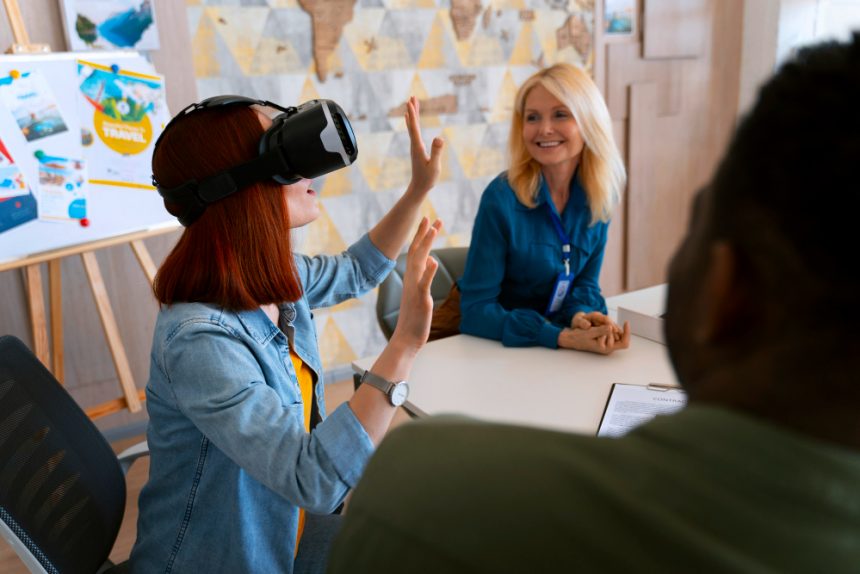
In 2025, a fascinating trend is emerging at the intersection of science and personal growth: an increasing number of people are turning to neurobiology not for careers in research or medicine, but as a tool for self-development. What was once considered a highly specialized scientific field is now accessible to curious learners, wellness enthusiasts, and lifelong learners seeking to understand the inner workings of their brains and optimize their mental performance, emotional resilience, and overall well-being.
The Appeal of Neurobiology Beyond Academia
Traditionally, neurobiology has been associated with laboratory research, medical studies, and professional neuroscience careers. However, advances in educational technology, online courses, and public-facing science communication have made complex topics like synaptic plasticity, neurotransmitter function, and cognitive mapping understandable to non-specialists.
People are increasingly drawn to neurobiology as a hobby because it offers practical insights into how the brain works, rather than just theoretical knowledge. By understanding mechanisms behind attention, memory, learning, and emotion, individuals can make informed choices to enhance productivity, improve habits, reduce stress, and foster creativity.
Neurobiology Meets Self-Development
The core of this trend is the application of neuroscience principles to daily life. For example, learning about neuroplasticity — the brain’s ability to rewire itself — encourages people to adopt new skills, break negative habits, and cultivate resilience. Understanding dopamine pathways helps explain motivation and reward-driven behaviors, providing strategies to maintain focus and achieve goals.
Mindfulness practices, meditation, and cognitive exercises are now often approached with a neurobiological lens. Instead of generic advice like “practice gratitude,” enthusiasts explore the brain mechanisms behind emotional regulation and stress reduction, enhancing the effectiveness of these practices. The scientific framing adds credibility and personal relevance, making self-improvement feel precise, measurable, and actionable.
Educational Resources and Accessibility
Several factors have contributed to the growing accessibility of neurobiology as a self-development hobby. Online platforms, such as MOOCs and specialized science apps, offer structured courses that cover topics like neural networks, memory consolidation, and brain chemistry in an engaging, digestible format. Podcasts, YouTube channels, and interactive apps translate complex studies into practical life hacks.
Gamified learning platforms even allow users to experiment with cognitive challenges, brain-training exercises, and attention tasks, receiving feedback based on neuroscientific principles. These accessible resources empower learners of all ages to explore their brains without formal scientific training.
Community and Social Engagement
The hobby of studying neurobiology is also fueled by social engagement. Online forums, discussion groups, and local workshops allow enthusiasts to share discoveries, discuss applications, and support each other in applying neuroscience to everyday life. This community aspect makes the pursuit both educational and socially rewarding, similar to traditional hobbies like chess, yoga, or creative writing.
Additionally, influencers and educators in this space often translate cutting-edge research into practical, lifestyle-oriented advice, making the science approachable while encouraging experimentation and personal application.
Practical Benefits Observed by Enthusiasts
Those engaged in neurobiology-based self-development report a wide array of benefits. Improved focus and memory are commonly cited, alongside greater emotional resilience and reduced stress levels. Many users notice enhanced decision-making skills, better time management, and heightened self-awareness. By applying principles such as circadian rhythm optimization, neuroplasticity exercises, and reward-based motivation techniques, individuals can create personalized routines grounded in scientific understanding.
Some people even report creative breakthroughs, as understanding how the brain generates ideas and manages attention helps structure thinking processes more effectively. The hobby combines intellectual stimulation with tangible improvements in personal effectiveness, making it highly satisfying.
Potential Challenges and Misconceptions
Despite its appeal, the hobby is not without challenges. Misinterpretation of scientific findings can lead to oversimplified or pseudoscientific practices, particularly when applied to productivity hacks or cognitive enhancement. It is crucial for enthusiasts to differentiate between well-established research and preliminary studies.
Another consideration is the risk of over-analyzing behavior. While neurobiological insights can guide personal development, excessive self-monitoring or obsession with “optimizing” brain function may induce stress or diminish natural spontaneity. Experts recommend balancing learning with mindful application and practical experimentation.
The Future of Neurobiology as a Hobby
The rise of neurobiology for self-development reflects a broader cultural shift: people increasingly seek data-driven, evidence-based approaches to personal growth. With advances in AI, neurofeedback devices, and brain-monitoring technology, enthusiasts may soon be able to obtain real-time insights into brain activity, further personalizing their cognitive training and wellness routines.
Educational institutions and wellness startups are likely to expand offerings, creating interdisciplinary programs that blend neuroscience, psychology, and lifestyle coaching. The field is poised to become a mainstream hobby for anyone curious about the mind, blending intellectual challenge with practical self-improvement.
Studying neurobiology for self-development represents a unique fusion of curiosity, science, and personal growth. In 2025, this hobby is gaining traction because it offers tangible benefits, intellectual stimulation, and actionable insights into human behavior and cognition. By understanding how their brains work, enthusiasts can optimize habits, improve mental performance, and foster emotional resilience — all while engaging in a stimulating and socially rewarding pursuit.
The popularity of neurobiology as a hobby underscores a larger trend: people want evidence-based tools to enhance their lives, and few areas are as promising or intriguing as the human brain. Those who approach this hobby thoughtfully can transform not just their understanding of neuroscience, but the way they live, learn, and thrive.